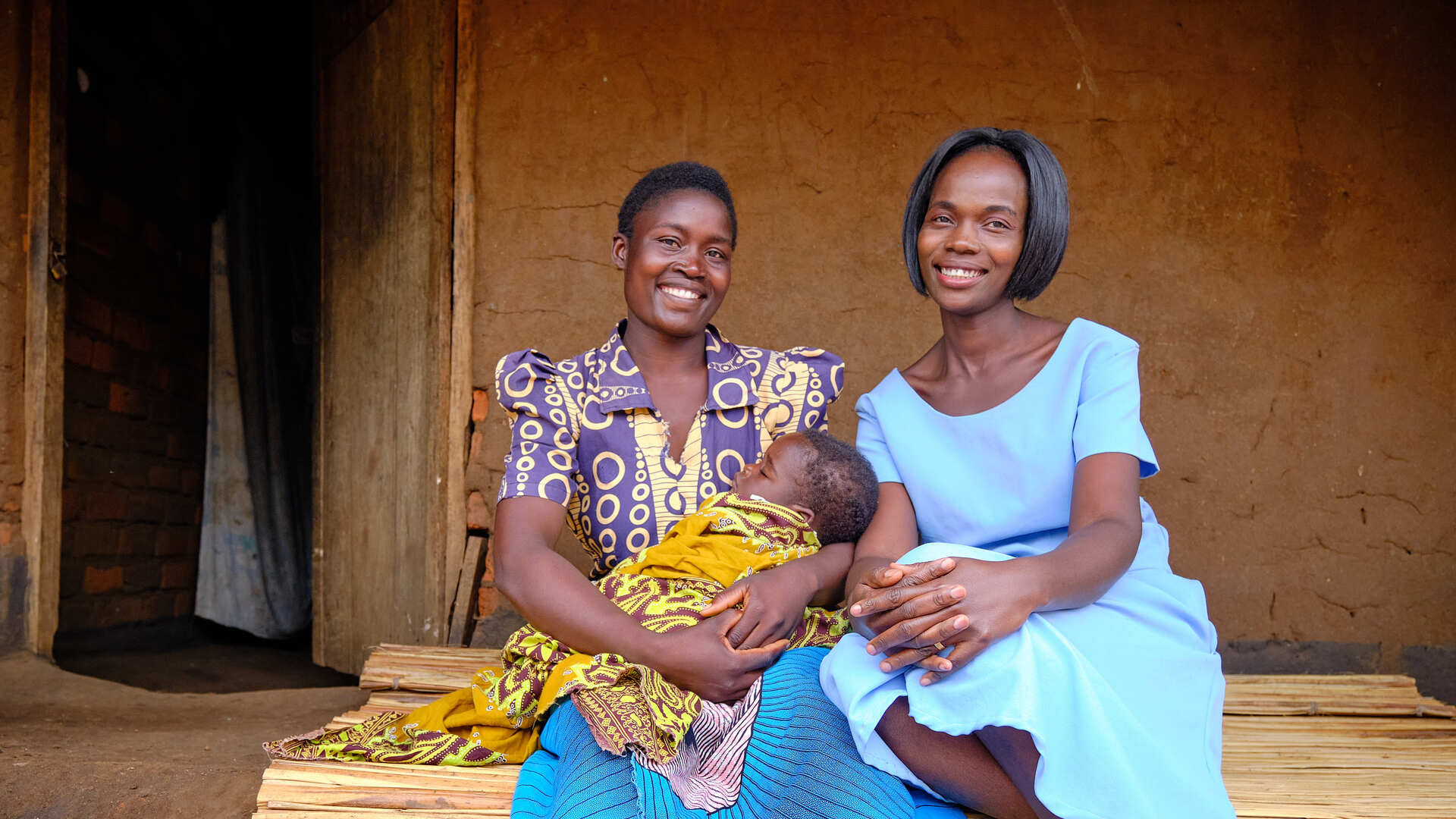
Global immunization efforts have saved at least 154 million lives over the past 50 years
WHO prequalifies new oral simplified vaccine for cholera
Leading health agencies outline updated terminology for pathogens that transmit through the air
WHO announces Health for All Film Festival shortlist and jury
World Malaria Day 2024 - Accelerating the fight against malaria for a more equitable world
WHO Global Sepsis Webinar: Global Sepsis Coordination and WHO resources
The first High-level meeting to defeat meningitis – Institut Pasteur Paris, France
Meeting of the Diabetes in pregnancy subgroup Guideline Development Group
Sexual and reproductive health and rights: central to health, well-being and sustainable futures





.jpeg?sfvrsn=826d7380_5 "WhatsApp Image 2021-08-21 at 17.17.52 (3)")