Advocacy is a process of working towards changes in attitudes, policies and practices. It is carried out by people proposing improvements on behalf of themselves or others, and involves activities to influence decision-making individuals and institutions.
Advocacy to improve access to HIV/AIDS-related treatment requires clear strategies to bring about change on several different levels, including community, national and global. Advocacy at one level can significantly impact the other levels.

Examples of advocacy by NGOs/CBOs for improving access to treatment at different levels include:
• Community level
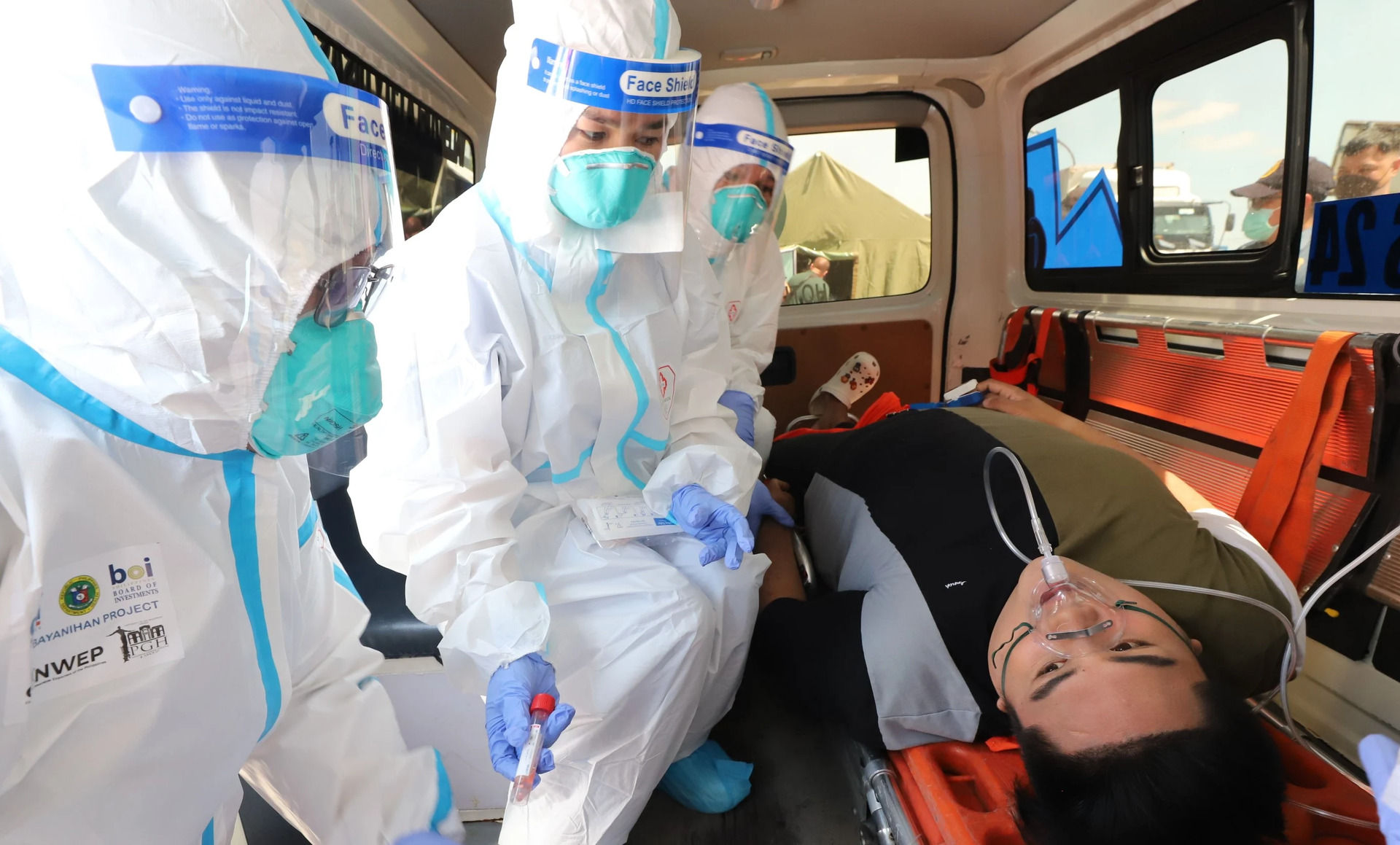
- accompanying people living with HIV/AIDS to the hospital or clinic to ensure that they receive treatment;- influencing local pharmacists to stock drugs that are needed for people living with HIV/AIDS;
• National level
- participating in the development of standard treatment guidelines for HIV/AIDS;
- influencing the government to improve the supply of HIV/AIDS-related drugs in hospitals and clinics;
• Global level
- lobbying international pharmaceutical companies to reduce the price of HIV/AIDS-related drugs;
- encouraging international drug suppliers to make HIV/AIDS-related drugs widely available at low cost.
Participatory group activity
Aim
To raise awareness about how advocacy at different levels could improve access to HIV/AIDS-related treatment.
Instructions
1. Explain the aim of the activity.2. Present participants with a definition of advocacy (see previous page). Share an example of an advocacy strategy on access to treatment at each level - community, national and global.
3. Divide the participants into three groups and ask them to brainstorm about, and list, possible advocacy strategies. Ask:
Group 1 to focus on community-level advocacy
Group 2 to focus on national-level advocacy
Group 3 on global-level advocacy.
4. Bring everybody back together and ask the groups to present their results. Encourage the participants to ask each other questions and to make comments.5. Facilitate a group discussion about what has been learned from the activity, based upon questions such as:
• How does advocacy on one level affect issues at another level?
• What types of resources are needed for advocacy strategies at different levels?
• What contributions can different types of organizations make to advocacy work?
Facilitators' notes
• Support participants to think creatively about advocacy strategies. Encourage them to think about what would really make a difference. • Support participants to think realistically about advocacy strategies. Encourage them to think about what they can really achieve.
Example
At a skills-building workshop, NGO/CBO participants identified the following examples of advocacy strategies for improving access to treatment at community, national and global levels.
Community level |
National level |
Global level |
• Advocate better collaboration between NGOs on access to HIV/AIDS-related treatment • Advocate more information about issues relating to treatment and access to HIV/AIDS- related treatment |
• Advocate an improved supply of free drugs from the government • Advocate on international issues such as compulsory licensing and parallel importing of HIV/AIDS- related drugs |
• Advocate more involvement of people living with HIV/AIDS in work on treatment issues • Advocate lower international prices for HIV/AIDS-related drugs |
The facilitator then led a group discussion about what had been learned from the activity. For example, participants agreed that the involvement of people living with HIV/AIDS in advocacy on access to HIV/AIDS-related treatment was vital at all levels.
Reference: Adapted from a workshop on access to HIV-related treatment, India HIV/AIDS Alliance and the International HIV/AIDS Alliance, India, February 2001.