Governments near agreement on package of amendments to the International Health Regulations (2005)
Statement on the antigen composition of COVID-19 vaccines
WHO and France convene high-level meeting to defeat meningitis
WHO reports widespread overuse of antibiotics in patients hospitalized with COVID-19
Thirty years of progress and challenges on sexual and reproductive health and rights since the International Conference on Population and Development
Technical webinar: WHO global sodium benchmarks for different food categories (2nd edition)
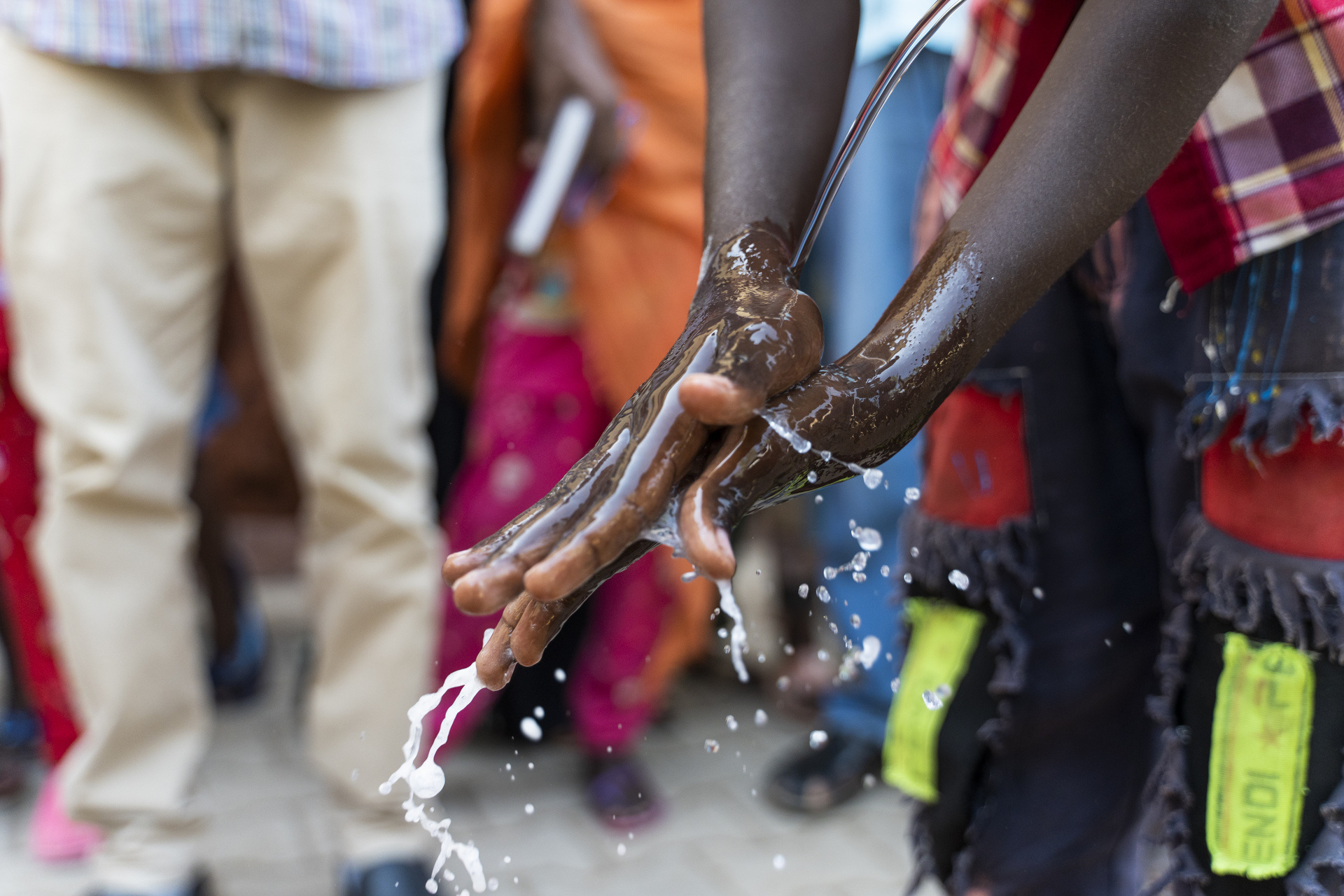
World Hand Hygiene Day 2024 - why is sharing knowledge about hand hygiene still so important?
Community Protection Partners Meeting: communities at the centre of managing health emergencies
NCD Hard Talks webinar: From pockets to patients: Rethinking how we can reduce out-of-pocket expenditure for NCD medicines



-for-a-who-instrument-on-pandemic-prevention--preparedness-and-response.jpg?sfvrsn=4995a707_15 "INB9 meeting")


.jpeg?sfvrsn=826d7380_5 "WhatsApp Image 2021-08-21 at 17.17.52 (3)")


