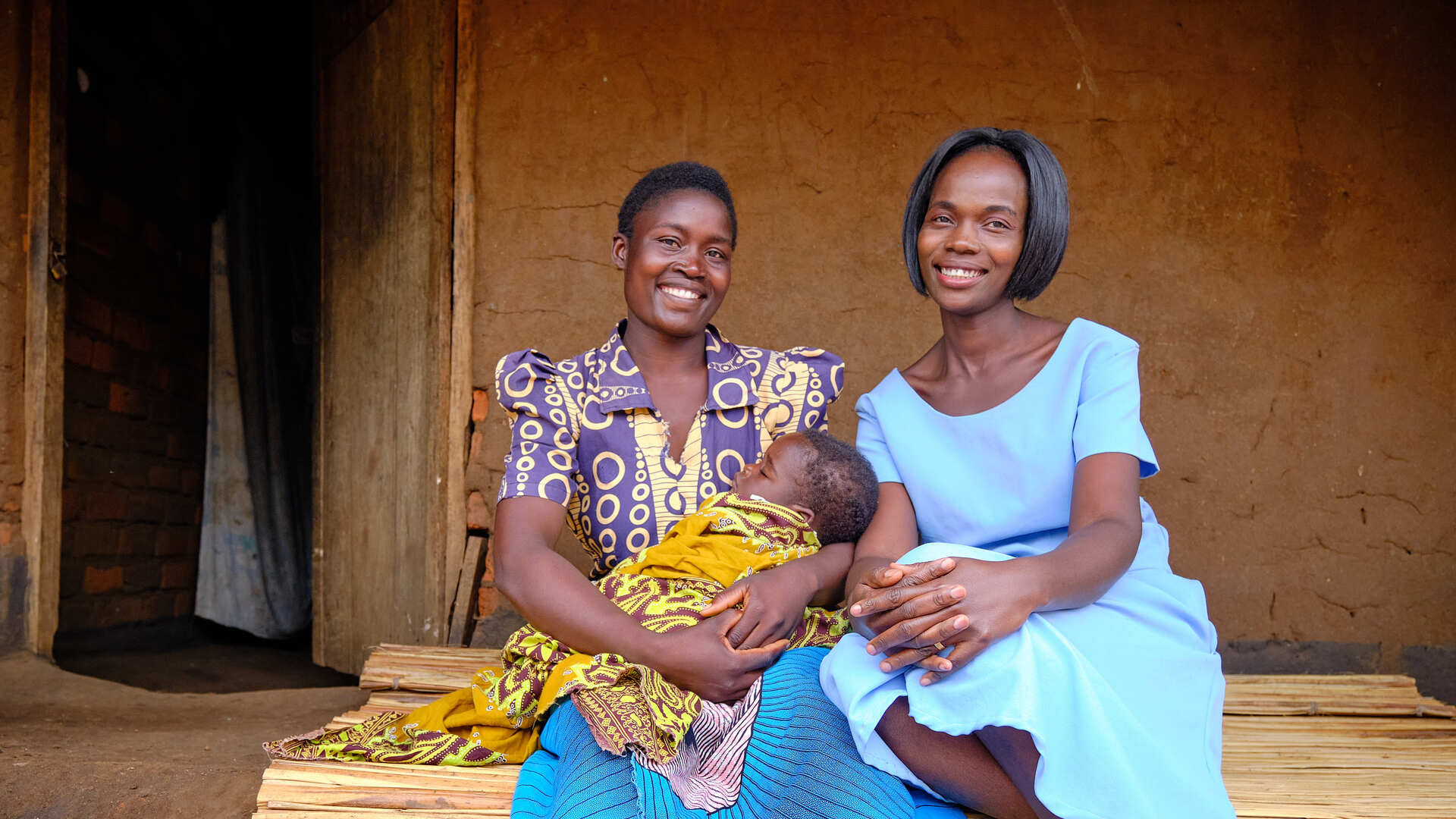
WHO prequalifies new oral simplified vaccine for cholera
Leading health agencies outline updated terminology for pathogens that transmit through the air
WHO announces Health for All Film Festival shortlist and jury
In world first, Nigeria introduces new 5-in-1 vaccine against meningitis
WHO Technical Webinar Series on Climate Change and Health
World Immunization Week 2024 - Humanly Possible: Immunization for All
Exploring Clinical Practice and Research
French webinar: New updates on the Family Planning Handbook, 4th edition
World Malaria Day 2024 - Accelerating the fight against malaria for a more equitable world





.jpeg?sfvrsn=826d7380_5 "WhatsApp Image 2021-08-21 at 17.17.52 (3)")