Governments agree to continue their steady progress on proposed pandemic agreement ahead of the World Health Assembly
New guidance aims to reduce bloodstream infections from catheter use
WHO Results Report 2023 shows notable health achievements and calls for concerted drive toward Sustainable Development Goals
Rafah incursion would substantially increase mortality and morbidity and further weaken an already broken health system
WHO Townhall for civil society and affected communities on the operationalization of the 2023 UN High Level Meeting Political Declaration on TB
World No Tobacco Day youth rally
World Hearing Forum: Welcome and orientation to new members' meeting
Advancing adolescent health measurement – launch of the supplement to the Journal of Adolescent Health
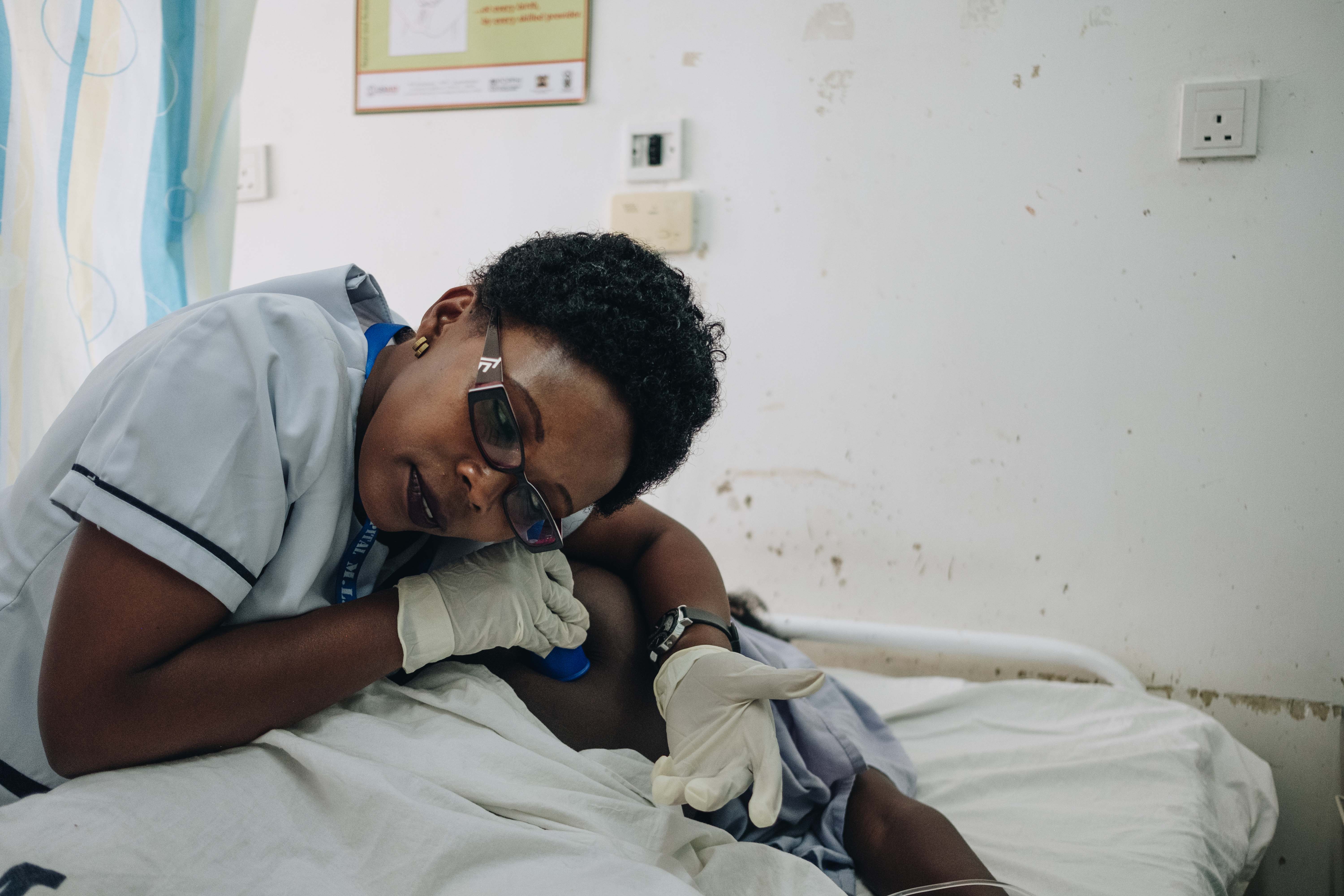
Global Partners Meeting on Nursing and Midwifery 2024



-for-a-who-instrument-on-pandemic-prevention--preparedness-and-response.jpg?sfvrsn=4995a707_15 "INB9 meeting")


.jpeg?sfvrsn=826d7380_5 "WhatsApp Image 2021-08-21 at 17.17.52 (3)")


