Fixed-Dose Combinations for HIV/AIDS, Tuberculosis, and Malaria - Report of a Meeting Held 16-18 December 2003 Geneva
(2003; 199 pages) View the PDF document
Table of Contents
Open this folder and view contentsSummary: Observations and some ways forward
Open this folder and view contentsWelcome
Open this folder and view contentsFixed-dose combinations for tuberculosis: lessons learned from a clinical, formulation and regulatory perspective
Open this folder and view contentsProduct costs of fixed-dose combination tablets in comparison with separate dispensing and or co-blistering of antituberculosis drugs
Open this folder and view contentsFixed-dose combinations: artemisinin-based combination therapies for malaria treatment
Open this folder and view contentsDeveloping combinations of drugs for malaria examination of critical issues and lessons learnt
Open this folder and view contentsSafety and long-term effectiveness of generic fixed-dose formulations of nevirapine-based HAART amongst antiretroviral-naïve HIV-infected patients in India
Close this folderEffect of introduction of fixed-dose combinations on the drug supply chain: experiences from the field
View the documentAbstract
View the documentIntroduction
View the documentProcurement
View the documentDistribution
View the documentPrescribing
View the documentDispensing to patients
View the documentCost to patient
View the documentPatient use
View the documentConsumption data
View the documentConclusion
View the documentReferences
Open this folder and view contentsEffect of fixed-dose combination (FDC) medications on adherence and treatment outcomes
Open this folder and view contentsEffect of fixed-dose combination (FDC) drugs on development of clinical antimicrobial resistance: a review paper
Open this folder and view contentsFixed-dose combination (FDC) drugs availability and use as a global public health necessity: intellectual property and other legal issues
Open this folder and view contentsPharmaceutical development and quality assurance of FDCs
View the documentAnnotated agenda
View the documentList of participants
 

Prescribing

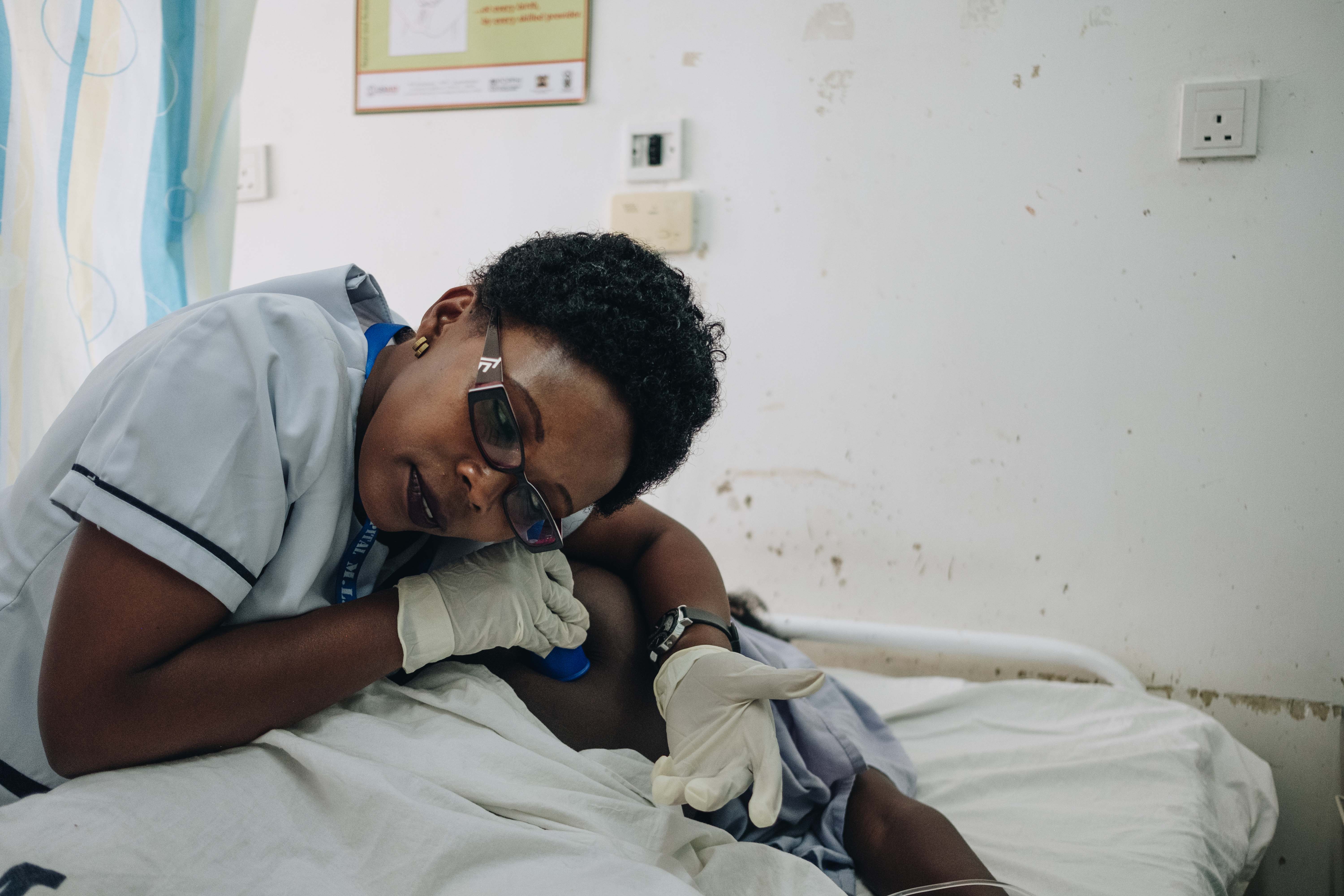
Some countries have published guidelines for the use of antiretroviral (ARV) therapy. In countries where this is not done, clinicians have problems in determining appropriate combinations for the drugs used. They rely on information provided by medical representatives or from out-dated publications. The use of FDCs makes prescribing decisions easier for clinicians and eliminates the use of the wrong combinations or of inappropriate doses.

to previous section to next section
 

Last updated: May 3, 2013