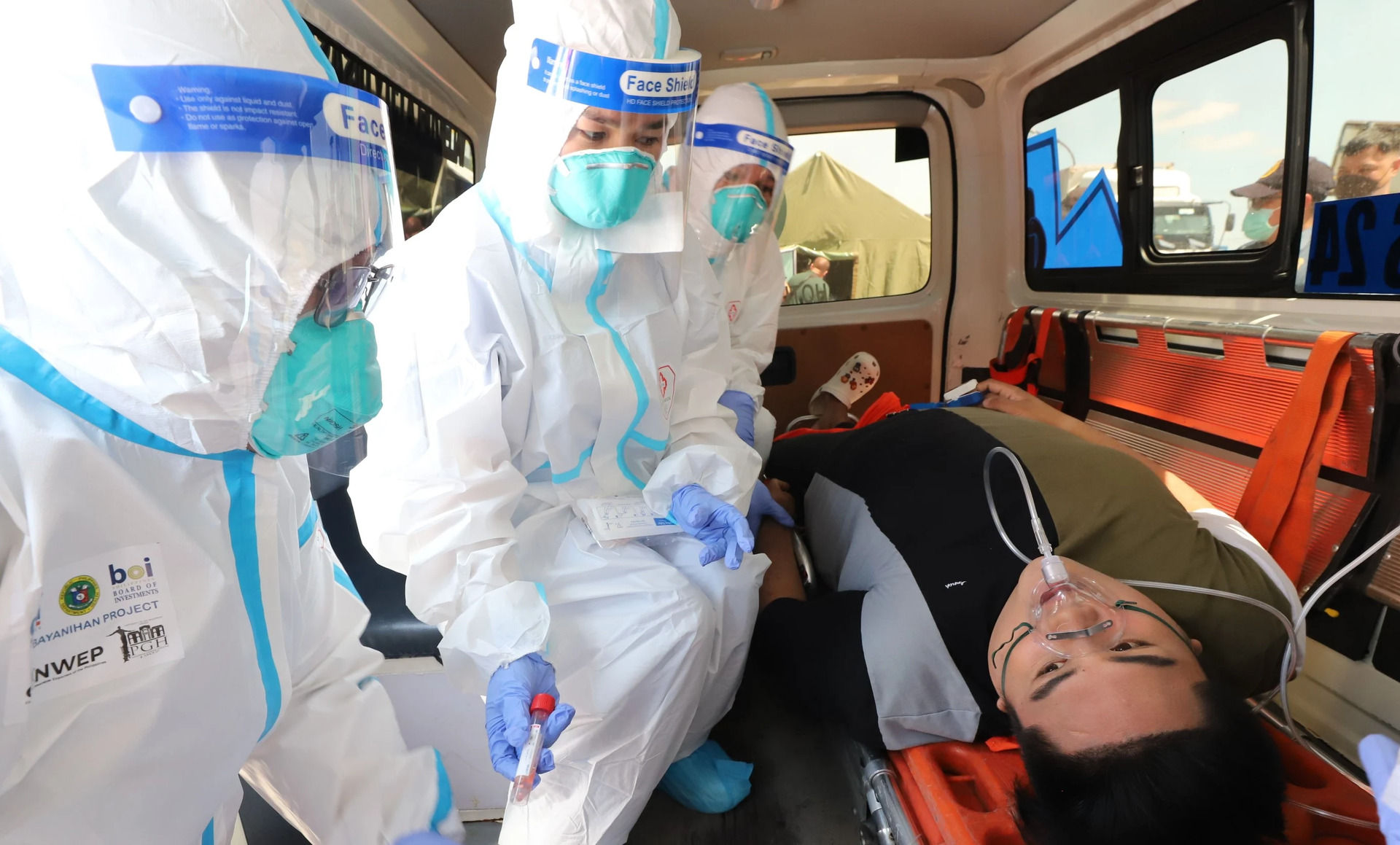
United States of America. Soon after a hospital established a new paediatric emergency service, a pharmacist was called to supply ketamine injection to sedate children during procedures in the Emergency Room (ER). Ketamine (Ketalar) is available in concentrations of 10 mg/mL, 50 mg/mL and 100 mg/mL. Five mL vials of 100 mg/mL were delivered. Soon after, a 4-year-old patient came to the ER for suturing. A physician who was accustomed to using vials of ketamine 10 mg/mL did not notice the 100 mg/mL concentration and administered the total vial contents of 500 mg instead of the 50 mg actually required. The child suffered a respiratory arrest but was successfully resuscitated.
Later, staff in the pharmacy admitted that they were not well informed about the use of ketamine for ambulatory sedation in paediatric patients and were unsure about which concentration to supply. In fact, no-one in the pharmacy had previous experience with paediatric patients.
The ISMP stresses the importance of:
• Adequate planning when new programmes are being quickly designed and implemented.
• During the planning stage, failure mode analysis to discover potential areas of weakness and explore steps that are needed to promote safety.
• Providing staff with timely communication about anticipated growth areas.
• Staff orientation and proper training for new services to be accomplished as early as possible (including visits to other facilities with the same service in order to work briefly with experienced staff).
This is invaluable to the failure analysis process and helps to assure that sufficient expertise will be available during the planning and implementation phases. In addition, consideration must be given to staffing levels, which may need to be increased in proportion to the new workload. Perhaps most important, appropriate time must be built into the planning and implementation stages to ensure that medication safety issues are handled adequately.
[See also Pharmaceuticals Newsletter Nos. 7&8, July&August 1998]
Reference: ISMP Medication Safety Alert!, Vol. 4, Issue 9, 5 May 1999.