Rafah incursion would substantially increase mortality and morbidity and further weaken an already broken health system
Governments near agreement on package of amendments to the International Health Regulations (2005)
Statement on the antigen composition of COVID-19 vaccines
WHO and France convene high-level meeting to defeat meningitis
Technical webinar: WHO global sodium benchmarks for different food categories (2nd edition)
WHO EPI-WIN Webinar: Public health risk of avian influenza A(H5N1) detected recently in dairy cattle
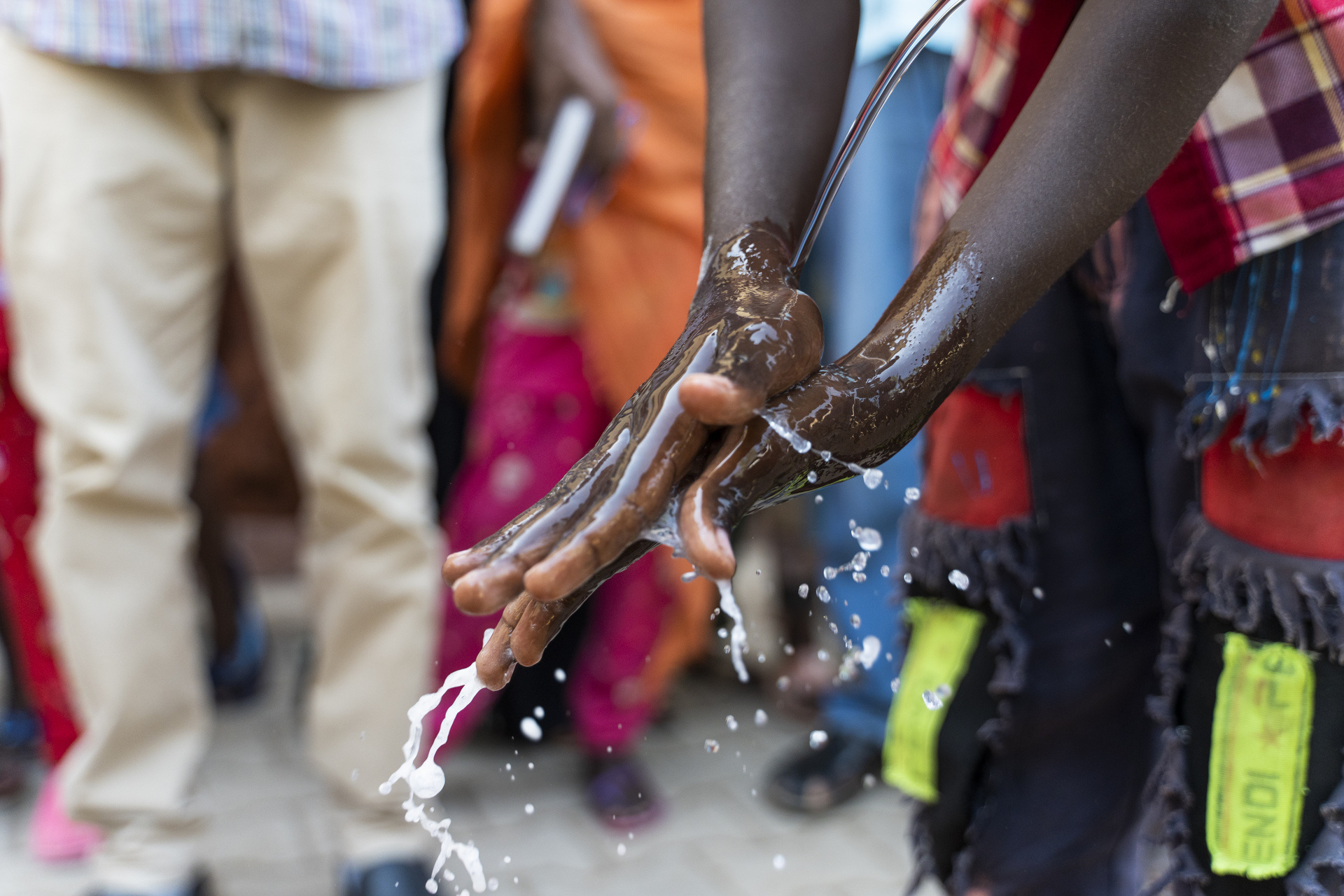
World Hand Hygiene Day 2024 - why is sharing knowledge about hand hygiene still so important?
Community Protection Partners Meeting: communities at the centre of managing health emergencies
Webinar: celebrating international day of the midwife 2024



-for-a-who-instrument-on-pandemic-prevention--preparedness-and-response.jpg?sfvrsn=4995a707_15 "INB9 meeting")


.jpeg?sfvrsn=826d7380_5 "WhatsApp Image 2021-08-21 at 17.17.52 (3)")


